
A site that looks designed
67 ready-made sections and one set of brand tokens that every page obeys — assembled around your answers, not poured into a template.
What's included
These aren't integrations you bolt on — they're platform services your AI simply uses. Ask for a booking form and it exists. Ask to sell vouchers and there's a checkout. Ask who visited last week and there's an answer, without a single cookie.


67 ready-made sections and one set of brand tokens that every page obeys — assembled around your answers, not poured into a template.
Forms on your own domain, spam-screened, emailed to you and waiting in an inbox you can reply from.
Upload from your phone; they arrive resized, cleaned and fast, and get placed at the right size.
A catalog your AI manages and a PayFast checkout on your own domain, with a full sandbox first.
The full list
Every line below is a thing the platform does today, described the way it would matter to you rather than the way it works underneath.
Your AI writes the pages and lays them out with a real design system — not a template you have to fight.
Several separate nets, so nothing you regret is ever visible for long.
Forms that post to your own domain, screened for spam, and somewhere sensible to work them.
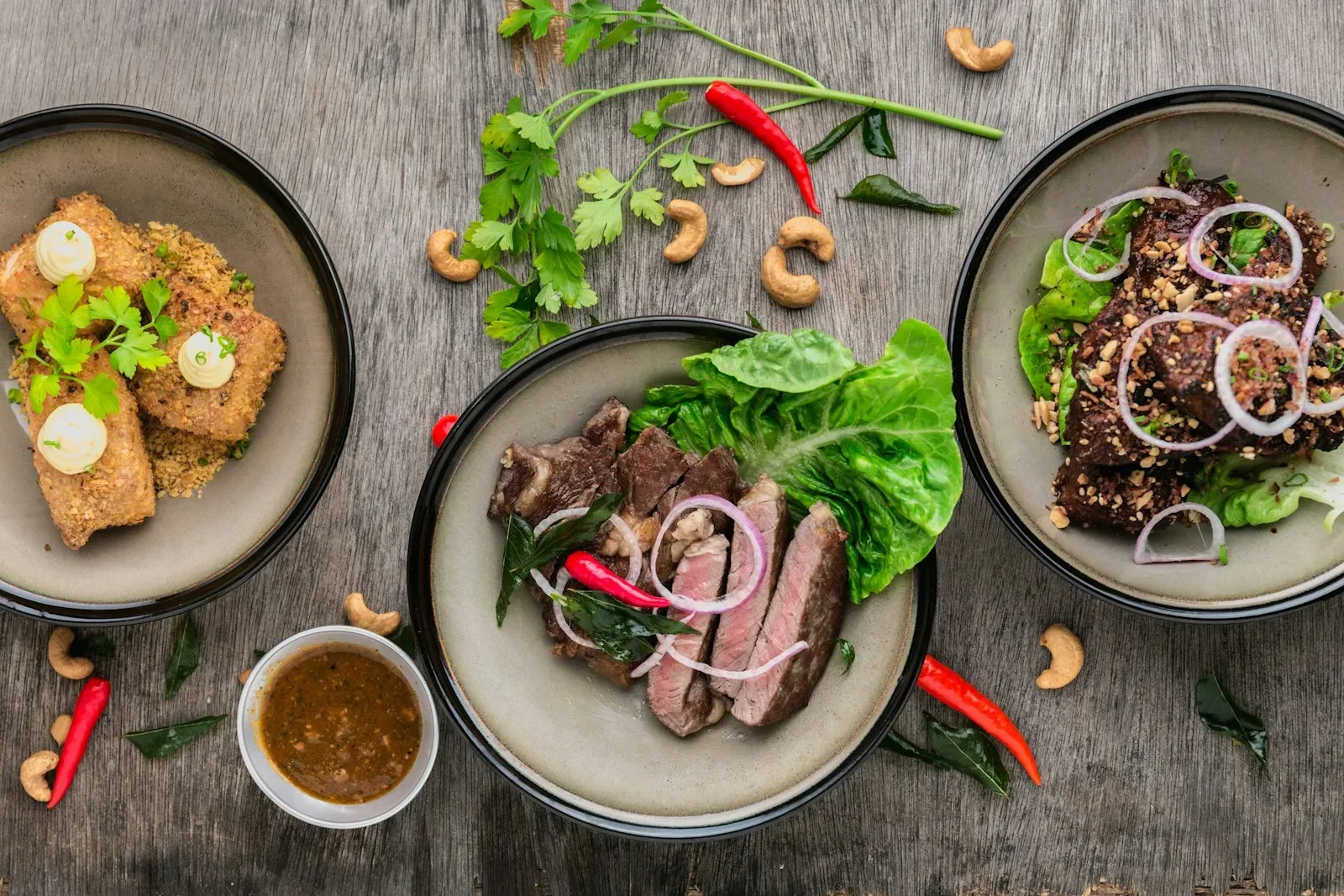
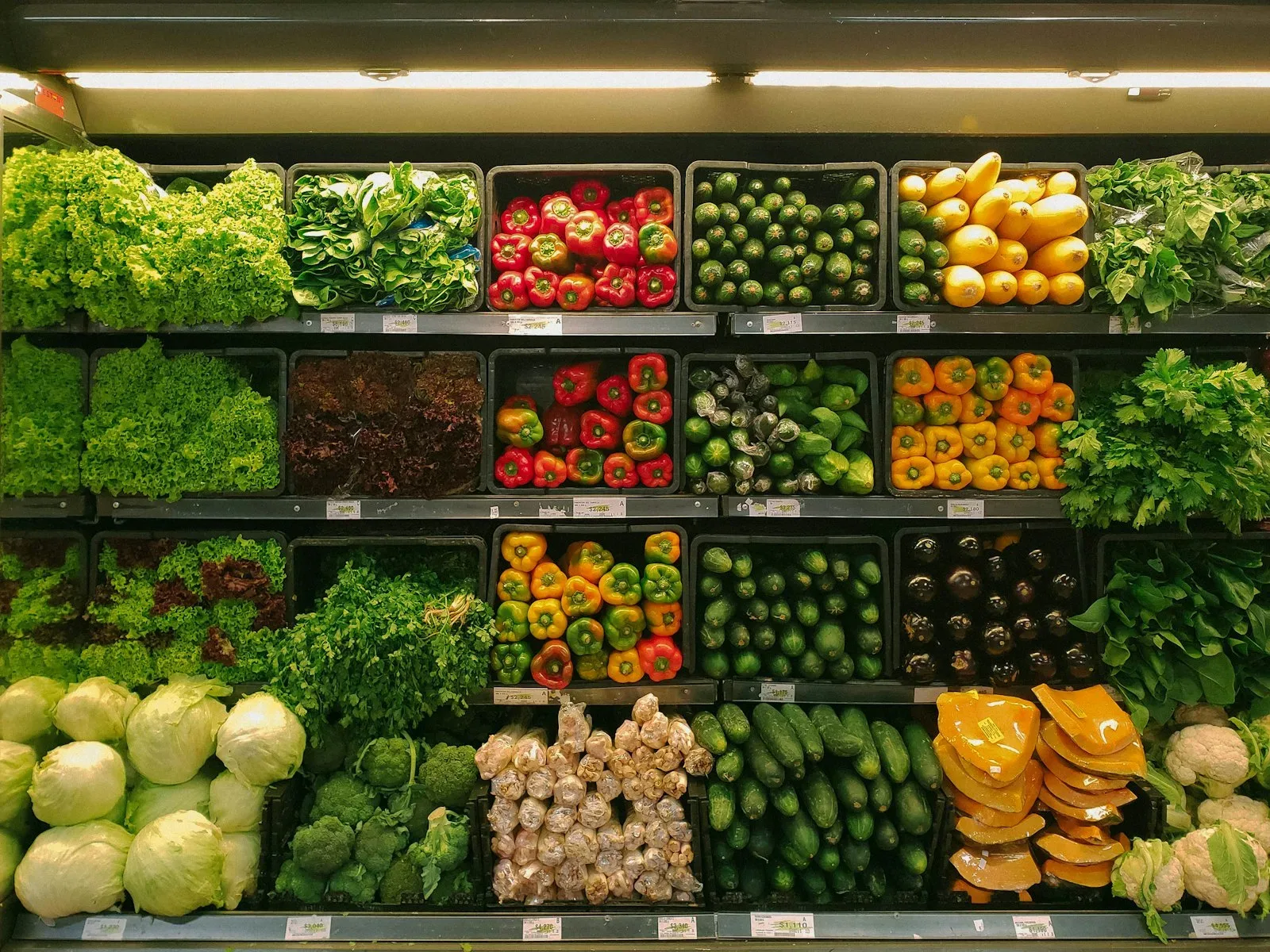
the photos on this page arrived through exactly that pipeline
The part every website project actually gets stuck on.
Enough numbers to make a decision, without following your visitors around the internet.
The unglamorous plumbing that decides whether anyone arrives.
A catalog, a Buy button and real South African payments.
Small things that quietly save a phone call.
Selling, in practice
Nothing here is a plugin you install and configure. Adding a product, changing a price and asking how the week went are all the same kind of sentence — and the money side is handled by the platform, not by the page.
What the Store plan costs →Boundaries, by architecture
Not policies we promise to follow — limits the platform enforces.
Read the whole pictureSeen enough?
Standard runs the website. SEO adds the toolkit that gets you found. Store adds the checkout. Upgrading later is a plan change, not a migration — your site never moves.